The City of Los Angeles Department of Cultural Affairs
Afro-Indigenous Offerings: Of Land and Labor
Vision Theatre Performing Arts Center
The City of Los Angeles Department of Cultural Affairs (DCA) is proud to present the Leimert Park Cultural Hub's Afro-Indigenous Offerings: Of Land and Labor in honor of Indigenous Peoples Day 2026. The commission culmination program will take place at the newly renovated Vision Theatre Performing Arts Center in Leimert Park.
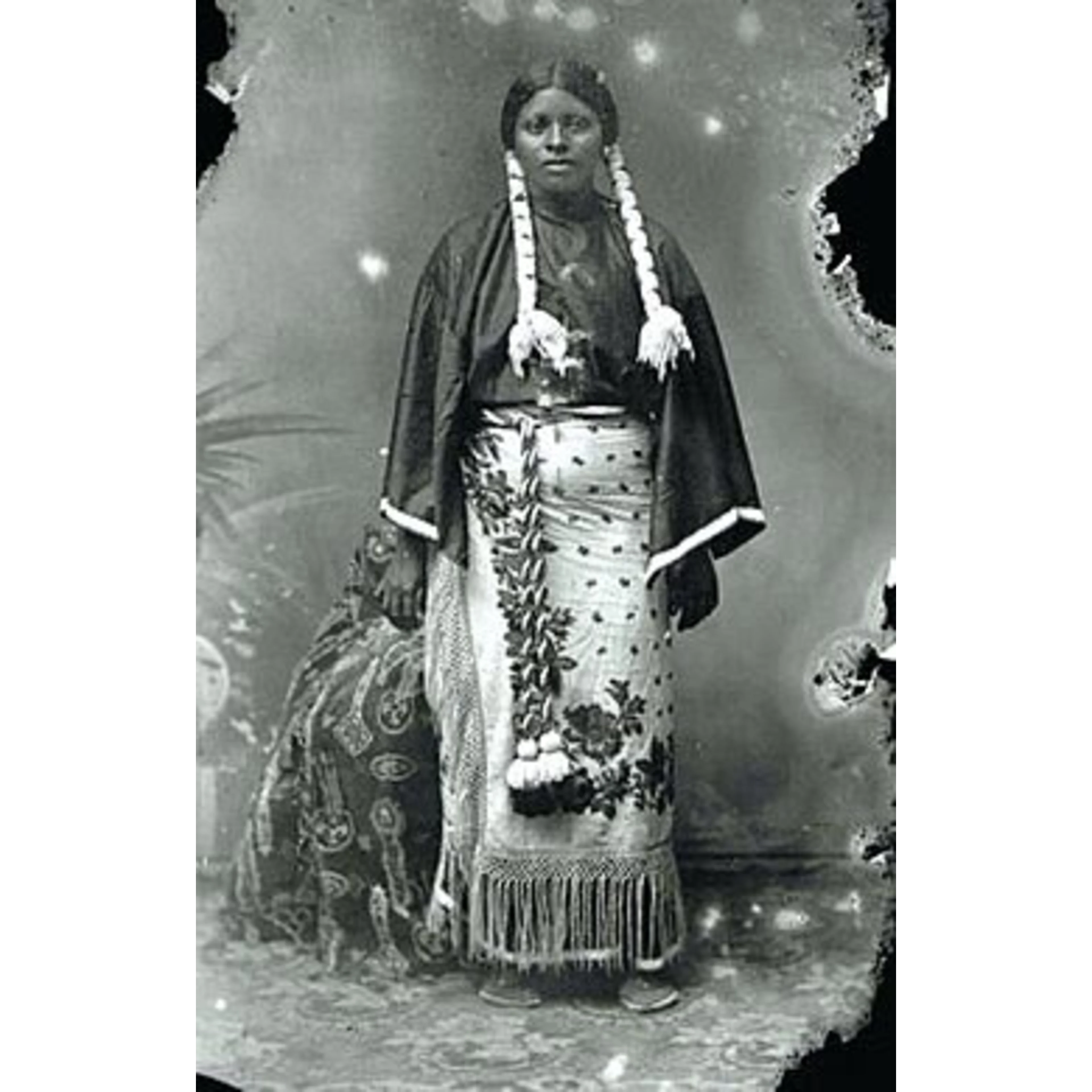
Indigenous Black history highlights the intertwined heritage of African and Native American peoples, reflecting centuries of cultural exchange, inter-marriage, and shared struggles for recognition. Selected by peer-panel-review, the awardees are:
Songs of Remembrance: A Heart Memory Ronda Brown (Eagle Wings of Enlightenment Center)
Songs of Remembrance: A Heart Memory is sacred ceremony rather than a conventional staged performance. We come as practitioners who have been holding and participating in ceremony for more than two decades. The work comes from an established ceremonial practice, relationship, and way of gathering that we have carried for many years. What we bring is an authentic Indigenous message centered in remembrance, sound, ancestral connection, and healing for Mother Earth.
Eagle Wings of Enlightenment Center Celebrates 35th Anniversary – Los Angeles Sentinel
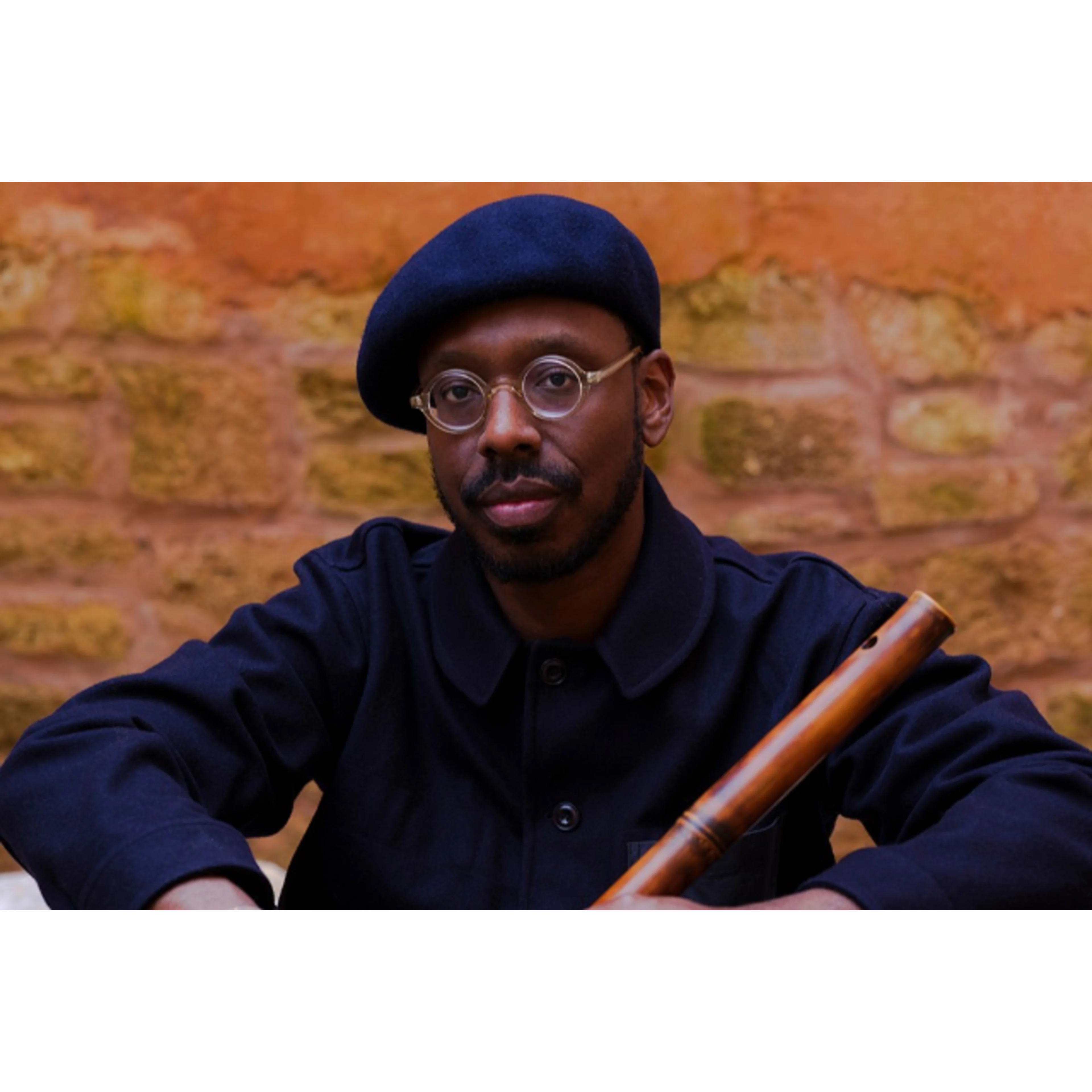
Resonant Kin: A Sonic Ritual for Afro-Indigenous Memory Reginald B. McKinley, II
Resonant Kin: A Sonic Ritual for Afro-Indigenous Memory brings together live instrumentation, crystal singing bowls, environmental sound, and intentional silence. Grounded in his Choctaw and African American ancestry, the work moves through separation, recognition, and continuity, inviting audiences to experience listening as ceremony and reconnect with land, memory, and one another.
Accompanying White Paper: Transportation as Institutionalized Environmental Knowledge, https://bit.ly/EnvironmentalKnowledge
The program will also include the poem, Primer for Blacks, by Gwendolyn Brooks, and Taking Center Stage by contemporay poet, Ivory Parnell-Chambeshi. The program will conclude with a Q&A with the commission awardees.
BACKGROUND
About Afro-Indigenous Peoples
Indigenous Black history highlights the intertwined heritage of African and Native American peoples, reflecting centuries of cultural exchange, inter-marriage, and shared struggles for recognition.
Historical Background
Black Indigenous peoples, often referred to as Afro-Indigenous or Black Native Americans, trace their ancestry to both African and Native American roots. Historically, certain Native American tribes, particularly the Five Civilized Tribes (Cherokee, Seminole, Chickasaw and Choctaw), had close relationships with African Americans, including enslaved Africans, free people of color, and intermarriage, especially in the Southern United States. During the Indian Removal Act of 1830, many African Americans, both enslaved and freed, migrated westward with Native communities along the Trail of Tears. Black Indians in the United States - Wikipedia
Cultural and Legal Recognition
Over time, Black Indigenous communities were often reclassified on paper, losing formal recognition of their Native identity due to laws, census policies, and record keeping practices designed to control land, labor, and political power. Despite these challenges, many Afro-Indigenous people maintained cultural ties to Native communities, preserving traditions, languages, and kinship networks. Today, obtaining tribal membership remains a complex issue, with some tribes historically excluding descendants of African Ancestry, though federal and institutional recognition, such as through the Smithsonian’s Museum of the American Indian, affirms their integral role in Native history. nativeblackancestory.com
Contemporary Significance
Today, Black Indigenous peoples continue to live primarily in the Southern states and areas historically associated with Native communities. Their heritage is genetically, culturally and historically distinct, blending African and Native American traditions. Efforts to reclaim and document this history involve genealogical research, court cases, and archival studies to address centuries of misclassification and erasure. Recognizing this history is essential for understanding the full scope of American identity and the contributions of Afro-Indigenous communities to the nation’s cultural and historical landscape.
PARKING
There are several options for parking in the Village:
Don't park! Take the K Line to the Leimert Park station and walk to the theatre just a few blocks away.
Ride share! The less cars, the more room for all!
There is street parking along Leimert Blvd (metered).
Lot 625 located off 43rd Street just east of Crenshaw Blvd (metered).
Ride Circuit, a free shuttle service, park anywhere within the 90008 area code (Earle's Grill, The District, West Angeles Church, or Baldwin Hills Crenshaw Mall, for example), pull up the Circuit app, sign up, then put in your location for pick up within a three-mile radius of VISPAC.
Take the Metrorail to Exposition, get off at the Obama station, then ride south on the K line to 43rd Place.
Once parked, make your way to the front of the Vision Theater on 43rd Place (aka People Street), between Degnan Blvd and Leimert Blvd, to check-in at the box office.
Looking forward to seeing you soon!
The City of Los Angeles Department of Cultural Affairs: Afro-Indigenous Offerings: Of Land and Labor at Vision Theatre Performing Arts Center on Friday, October 9