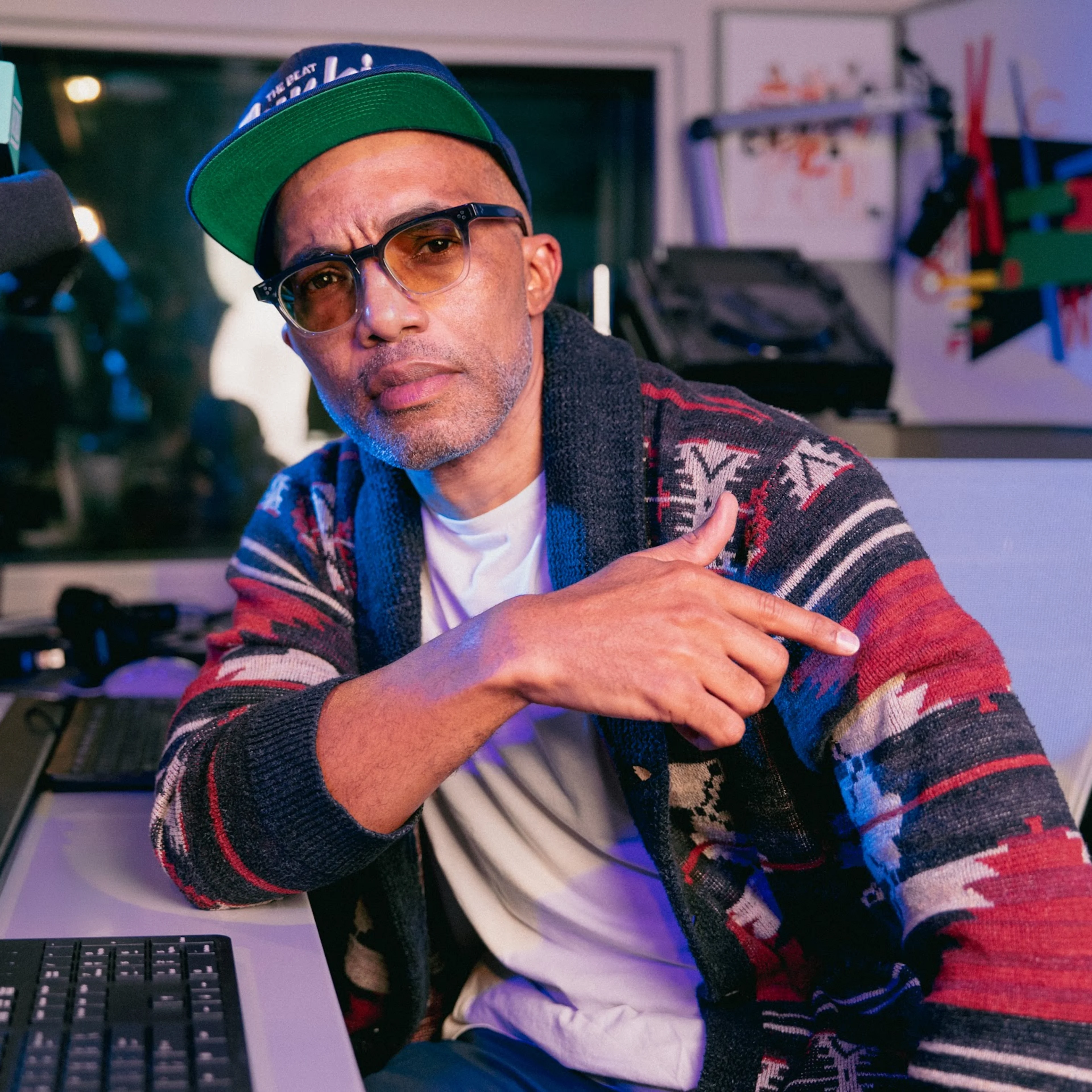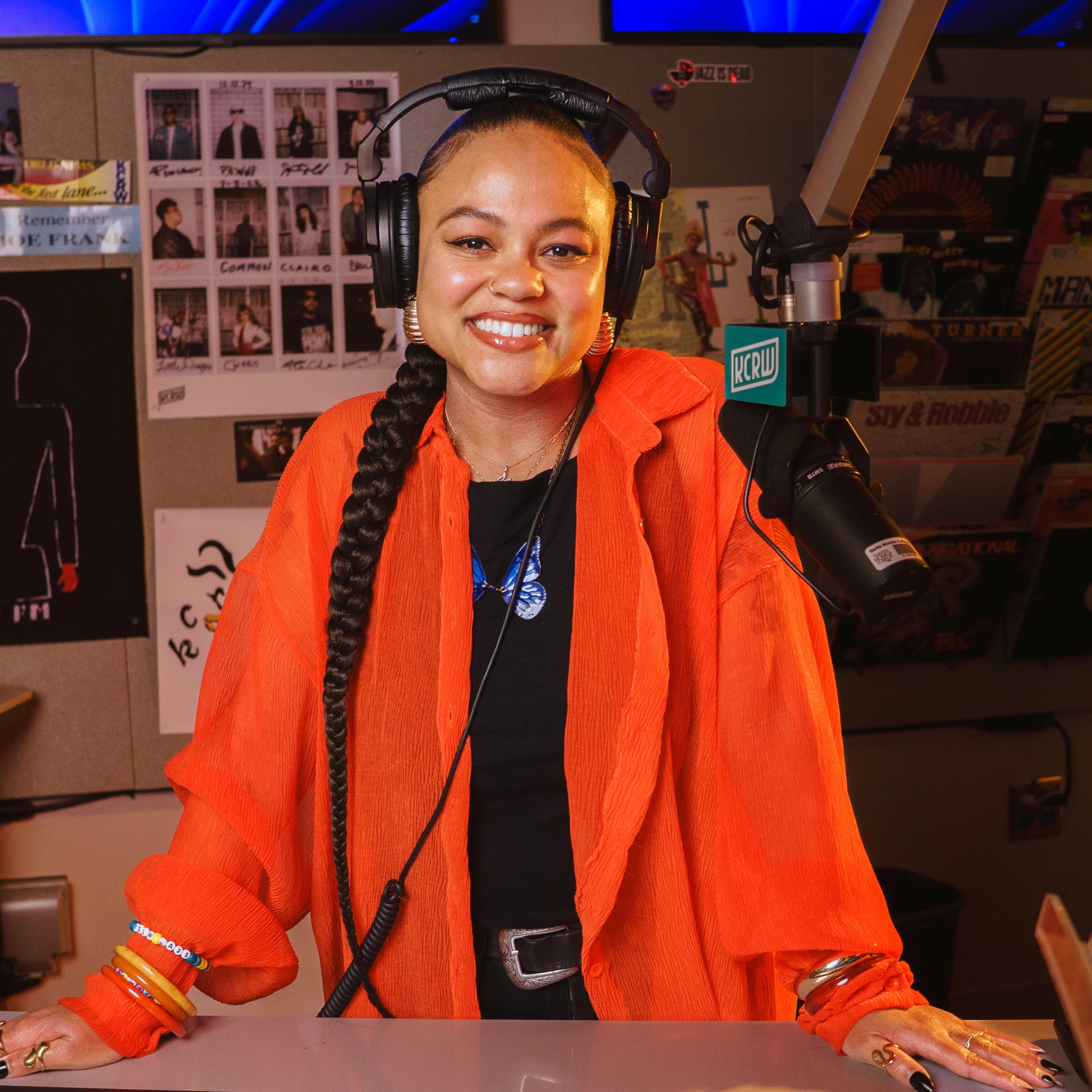
Resident DJ


Cornelius is the brainchild of Japanese multi-instrumentalist Keigo Oyamada. A performing musician since his teens, Oyamada's international breakthrough came with the release of Fantasma in 1997. He quickly became a sought-after producer/remixer for Blur, Beck, Bloc Party, James Brown, and k.d. lang, among many others. As a musician, Oyamada became the backbone of Yoko Ono's reformed Plastic Ono Band and played in the final configuration of Yellow Magic Orchestra. Oyamada continues to write and produce as Cornelius, in addition to composing for soundtracks including Scott Pilgrim vs. the World and Ghost In The Shell: Arise. Cornelius joins KCRW as our Resident DJ for September 2026. This is his second mix in the series.
1. Sumi-e no Kuni e — Sadistic Mika Band Led by Kazuhiko Kato and featuring Yukihiro Takahashi and Masayoshi Takanaka, Sadistic Mika Band was one of the first Japanese rock groups to gain international recognition. Their 1974 album Kurofune, produced by Chris Thomas, fused British rock with Japanese history. In 1975, they toured the UK as the opening act for Roxy Music, becoming one of the first Japanese rock bands to break into the international scene. "Sumi-e no Kuni e" serves as the opening chapter of the album's narrative.
2. Oiran II — Meitei Meitei creates electronic music inspired by fading memories of Japan rather than historical reconstruction. Using fragments of folk traditions, old films, and environmental recordings, he builds imaginary landscapes that have earned widespread recognition in the international ambient scene.
3. Yubikiri — Eiichi Ohtaki After helping establish Japanese-language rock with Happy End, Eiichi Ohtaki pioneered a uniquely Japanese interpretation of American pop, doo-wop, and R&B. Through his Niagara label, he developed an influential studio-based approach that shaped Japanese pop production and laid the foundations for what later became known as city pop.
4. Café Le Monde no Menu — Chitchi & Sally A collaboration between Kazuhiko Kato and Kazuko Ono, this song expanded Japanese folk beyond protest music by introducing cinematic storytelling and European sophistication. It foreshadowed the cosmopolitan direction Kato would later pursue throughout his career.
5. Blue Accent — Hajime Tachibana A member of Plastics as well as a graphic designer, Hajime Tachibana embodied Tokyo's New Wave movement, where music, design, fashion, and visual art became inseparable. His solo work helped redefine the role of the musician as a multidisciplinary artist.
6. Sentaku to Hairetsu — Totsuzen Danball One of the defining bands of Japanese New Wave, Totsuzen Danball embraced repetition, imbalance, and amateurism as creative principles. Their unconventional approach influenced later generations of Japanese indie, experimental, and improvised music.
7. Fisherman's Blues — Pardon Kimura Produced by Yann Tomita, Pardon Kimura blended electronics, dub, sampling, and surreal humor into a distinctive sonic world. Rather than treating technology as abstraction, he transformed it into playful and highly personal soundscapes.
8. Turn Turn — Sketch Show The duo of Haruomi Hosono and Yukihiro Takahashi reimagined electronic music after YMO through glitch, laptop production, and minimal digital textures. Sketch Show became the bridge between YMO, Human Audio Sponge, and the later HASYMO project.
9. IT'S A LITTLE THING — Salon Music Since the early 1980s, Salon Music has developed a uniquely Japanese interpretation of British indie pop and post-punk. Yoshida Jin produced Flipper's Guitar, the band that preceded Cornelius, helping shape one of the defining sounds of the Shibuya-kei movement. Salon Music itself remains one of the movement's most important predecessors.
10. Akasen Chitai — Toshirō Mayuzumi A pioneer of electronic music and musique concrète in postwar Japan, Toshirō Mayuzumi transformed the role of film music by using avant-garde techniques as dramatic commentary rather than simple accompaniment. His work helped establish film scoring as an independent artistic language.
11. IMPERIAL SMOKE TOWN — Ichiko Aoba and the Fairies Originally recorded as an NHK-FM live session, this collaboration brought together Ichiko Aoba with musicians including Ryuichi Sakamoto, Keigo Oyamada, and U-zhaan. It represents a rare meeting point between Japan's contemporary folk, experimental, and improvisational traditions.
12. Kii Kurute — INU Led by Machida Machizō (later novelist Machida Kō), INU redefined Japanese punk by using the rhythms and vocabulary of the Osaka dialect instead of imitating British or American models. Their only album became one of the most influential records in Japanese punk history.
13. Kaori — Gedo Gedo became one of the defining Japanese hard rock bands of the early 1970s by combining blues-based rock with distinctly Japanese theatricality and raw live energy. Their appearance at the legendary One Step Festival symbolized the birth of Japan's large-scale rock festival culture.
14. Shokubai — Omoide Hatoba Led by Seiichi Yamamoto and Atsushi Tsuyama, Omoide Hatoba became one of the defining groups of Osaka's underground scene. Their music freely collides progressive rock, psychedelia, noise, improvisation, Japanese pop, and absurd humor, representing the genre-defying spirit that made Kansai experimental music internationally distinctive.